

Unlocking the Potential of Lyophilized Powder in Skincare and Cosmetics
Release time:
Jul 22,2026
Lyophilized powder, commonly referred to as freeze-dried powder, is gaining significant attention in the skincare and cosmetics industry due to its unique properties and benefits. This innovative form of powder is created through a specialized process that removes moisture from a substance while preserving its structure and active ingredients. The result is a lightweight, shelf-stable powder that can greatly enhance product formulations.
One of the primary advantages of lyophilized powder is its ability to maintain the integrity of sensitive ingredients. Many active components in skincare formulations, such as vitamins, peptides, and botanical extracts, can degrade when exposed to heat or moisture. The freeze-drying process minimizes these risks by removing water under low temperatures, thus retaining the potency of these beneficial compounds. Consequently, products formulated with lyophilized powder often exhibit improved efficacy and longer shelf life.
In addition to stability, the versatility of lyophilized powder makes it an attractive option for various skincare and cosmetic applications. It can be easily reconstituted with water or other solvents, allowing formulators to create customized solutions tailored to specific skin concerns. This adaptability enables the incorporation of advanced formulations that cater to a diverse range of consumer needs, from anti-aging serums to hydration boosters.
Moreover, the use of lyophilized powder can enhance the user experience by providing products that are lightweight and easy to apply. The powder form allows for precise dosing, minimizing waste and ensuring that consumers receive the intended benefits with each use. Additionally, products that are reconstituted at the time of application often feel fresher and more effective, further enhancing consumer satisfaction.
When working with lyophilized powder in formulations, there are several best practices to consider. First, it is crucial to ensure that the reconstitution process is user-friendly, as consumers should be able to easily mix the powder with the specified solvent. Clear instructions and packaging can help facilitate this process. Second, consider the storage conditions of the final product, as moisture absorption can impact the performance of the lyophilized powder. Using airtight containers and incorporating desiccants can help preserve the integrity of the product.
In conclusion, lyophilized powder is a game-changer in the skincare and cosmetics sector, offering formulators the opportunity to create highly effective, stable, and user-friendly products. By understanding its benefits and best practices, professionals in the industry can tap into the full potential of this innovative ingredient, catering to the ever-evolving needs of consumers seeking high-quality skincare and cosmetic solutions.
One of the primary advantages of lyophilized powder is its ability to maintain the integrity of sensitive ingredients. Many active components in skincare formulations, such as vitamins, peptides, and botanical extracts, can degrade when exposed to heat or moisture. The freeze-drying process minimizes these risks by removing water under low temperatures, thus retaining the potency of these beneficial compounds. Consequently, products formulated with lyophilized powder often exhibit improved efficacy and longer shelf life.
In addition to stability, the versatility of lyophilized powder makes it an attractive option for various skincare and cosmetic applications. It can be easily reconstituted with water or other solvents, allowing formulators to create customized solutions tailored to specific skin concerns. This adaptability enables the incorporation of advanced formulations that cater to a diverse range of consumer needs, from anti-aging serums to hydration boosters.
Moreover, the use of lyophilized powder can enhance the user experience by providing products that are lightweight and easy to apply. The powder form allows for precise dosing, minimizing waste and ensuring that consumers receive the intended benefits with each use. Additionally, products that are reconstituted at the time of application often feel fresher and more effective, further enhancing consumer satisfaction.
When working with lyophilized powder in formulations, there are several best practices to consider. First, it is crucial to ensure that the reconstitution process is user-friendly, as consumers should be able to easily mix the powder with the specified solvent. Clear instructions and packaging can help facilitate this process. Second, consider the storage conditions of the final product, as moisture absorption can impact the performance of the lyophilized powder. Using airtight containers and incorporating desiccants can help preserve the integrity of the product.
In conclusion, lyophilized powder is a game-changer in the skincare and cosmetics sector, offering formulators the opportunity to create highly effective, stable, and user-friendly products. By understanding its benefits and best practices, professionals in the industry can tap into the full potential of this innovative ingredient, catering to the ever-evolving needs of consumers seeking high-quality skincare and cosmetic solutions.
Information Q&A
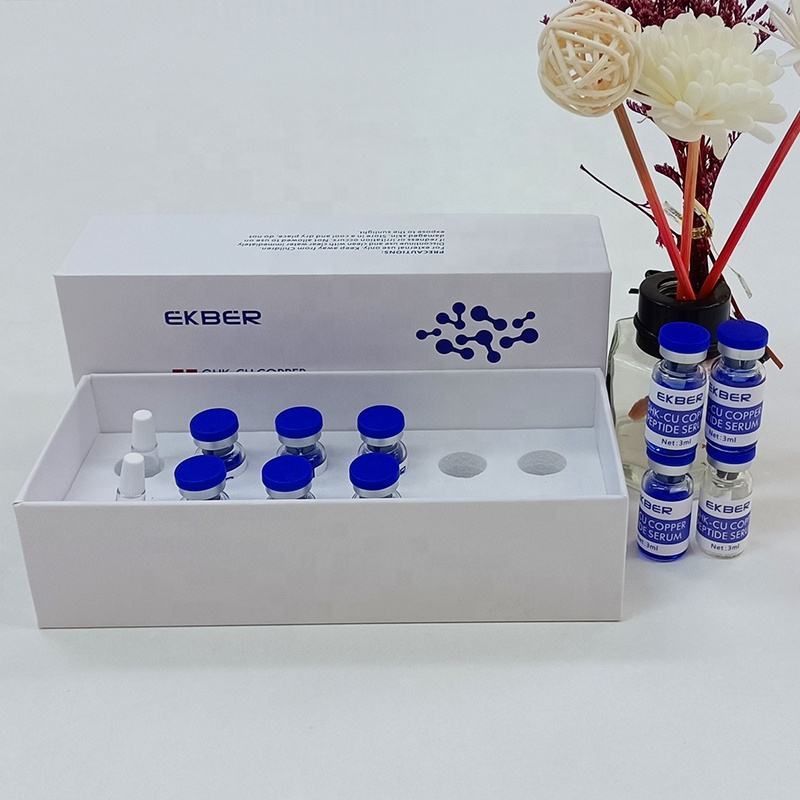
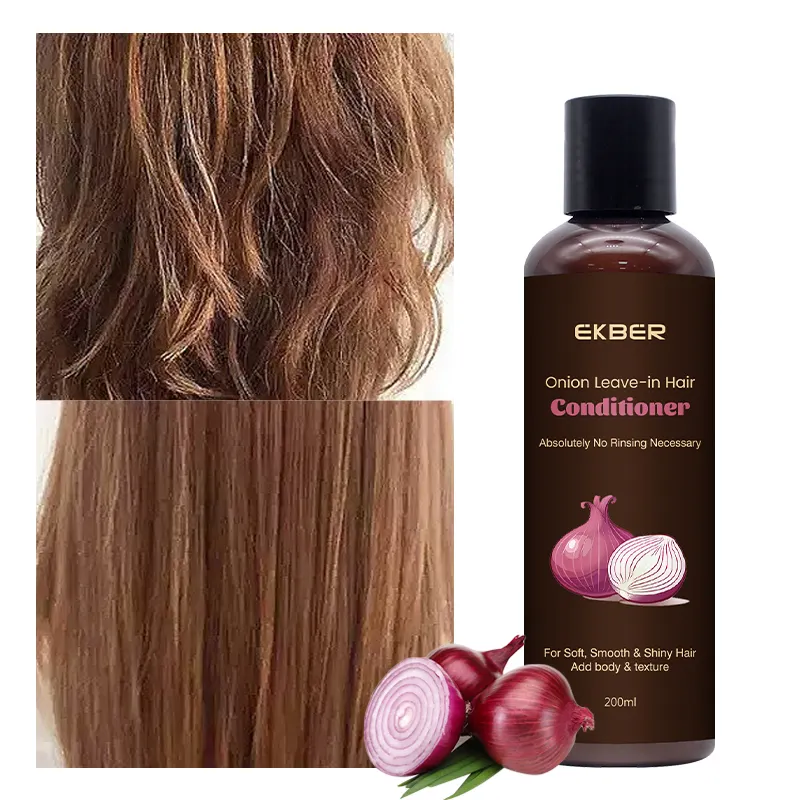
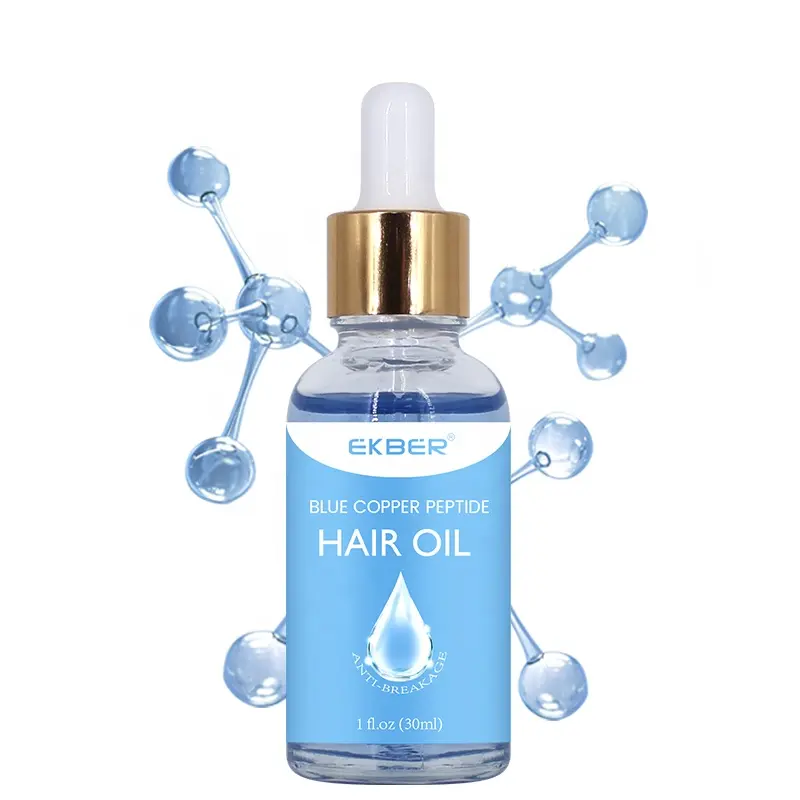

We is located in Baiyun District, Guangzhou City. Founded in 2009, it is a large-scale cosmetics manufacturer mainly engaged in the research and development, production, and sales of cosmetics.


Request Quote